
Pharmaceutical Manufacturing Process: A Complete Guide from Raw Materials to Finished Medicines
Introduction
The pharmaceutical manufacturing process is a highly controlled system designed to produce safe, effective, and high-quality medicines. Every medicine that reaches patients goes through multiple stages, including research, raw material testing, formulation, production, quality control, packaging, and distribution.
A trusted pharmaceutical manufacturer follows strict quality standards and advanced technologies to ensure every batch of medicine meets safety and effectiveness requirements.
With the growing demand for healthcare products, pharmaceutical manufacturing has become one of the most important industries supporting global healthcare systems.
What Is Pharmaceutical Manufacturing?
Pharmaceutical manufacturing is the process of producing medicines and healthcare formulations on a commercial scale while maintaining strict quality, safety, and regulatory standards.
The process includes:
- Selection of raw materials
- Formulation development
- Manufacturing and processing
- Quality testing
- Packaging
- Storage
- Distribution
Pharmaceutical manufacturing covers various product categories, including:
- Tablets
- Capsules
- Syrups
- Injections
- Creams
- Ointments
- Softgel Capsules
- Nutraceutical Products
Step-by-Step Pharmaceutical Manufacturing Process
1. Raw Material Selection and Testing
The first step in pharmaceutical manufacturing is selecting high-quality raw materials. Active Pharmaceutical Ingredients (APIs) and excipients are carefully evaluated before production begins.
Quality testing ensures:
- Purity
- Safety
- Chemical stability
- Compliance with standards
Only approved materials are used for manufacturing medicines.
2. Formulation Development
During formulation development, pharmaceutical experts determine the correct combination of active ingredients and supporting materials.
Scientists evaluate:
- Dosage strength
- Stability
- Absorption
- Effectiveness
- Shelf life
The goal is to create a formulation that delivers maximum therapeutic benefits.
3. Manufacturing and Production
After formulation approval, medicines move into the production stage.
The manufacturing process depends on the product type.
Tablet Manufacturing
The tablet manufacturing process includes:
- Mixing ingredients
- Granulation
- Drying
- Compression
- Coating
- Final inspection
Capsule Manufacturing
The capsule process involves:
- Powder preparation
- Capsule filling
- Sealing
- Quality checking
Liquid Manufacturing
Syrups and liquid formulations require:
- Ingredient mixing
- Filtration
- Filling
- Sealing
- Labeling
Injectable Manufacturing
Injectables require highly controlled environments with strict sterility procedures.
4. Quality Control Testing
Quality control is one of the most important stages in pharmaceutical manufacturing.
Every batch undergoes testing for:
- Identity
- Strength
- Purity
- Microbial safety
- Stability
- Performance
Advanced laboratory testing ensures medicines meet required specifications before approval.
5. Quality Assurance Process
Quality assurance focuses on preventing errors and maintaining consistency throughout manufacturing.
It includes:
- Documentation control
- Manufacturing process monitoring
- Equipment validation
- Compliance checks
- Standard operating procedures (SOPs)
A strong quality assurance system helps maintain reliable pharmaceutical production.
6. Pharmaceutical Packaging
Packaging protects medicines from contamination, damage, and environmental conditions.
Common packaging materials include:
- Blister packs
- Bottles
- Vials
- Tubes
- Cartons
Proper labeling includes:
- Product name
- Batch number
- Manufacturing date
- Expiry date
- Storage instructions
7. Storage and Distribution
After packaging approval, medicines are stored under controlled conditions before distribution.
Proper storage helps maintain:
- Product stability
- Quality
- Safety
- Shelf life
A reliable supply chain ensures medicines reach distributors, pharmacies, hospitals, and healthcare providers efficiently.
Importance of GMP in Pharmaceutical Manufacturing
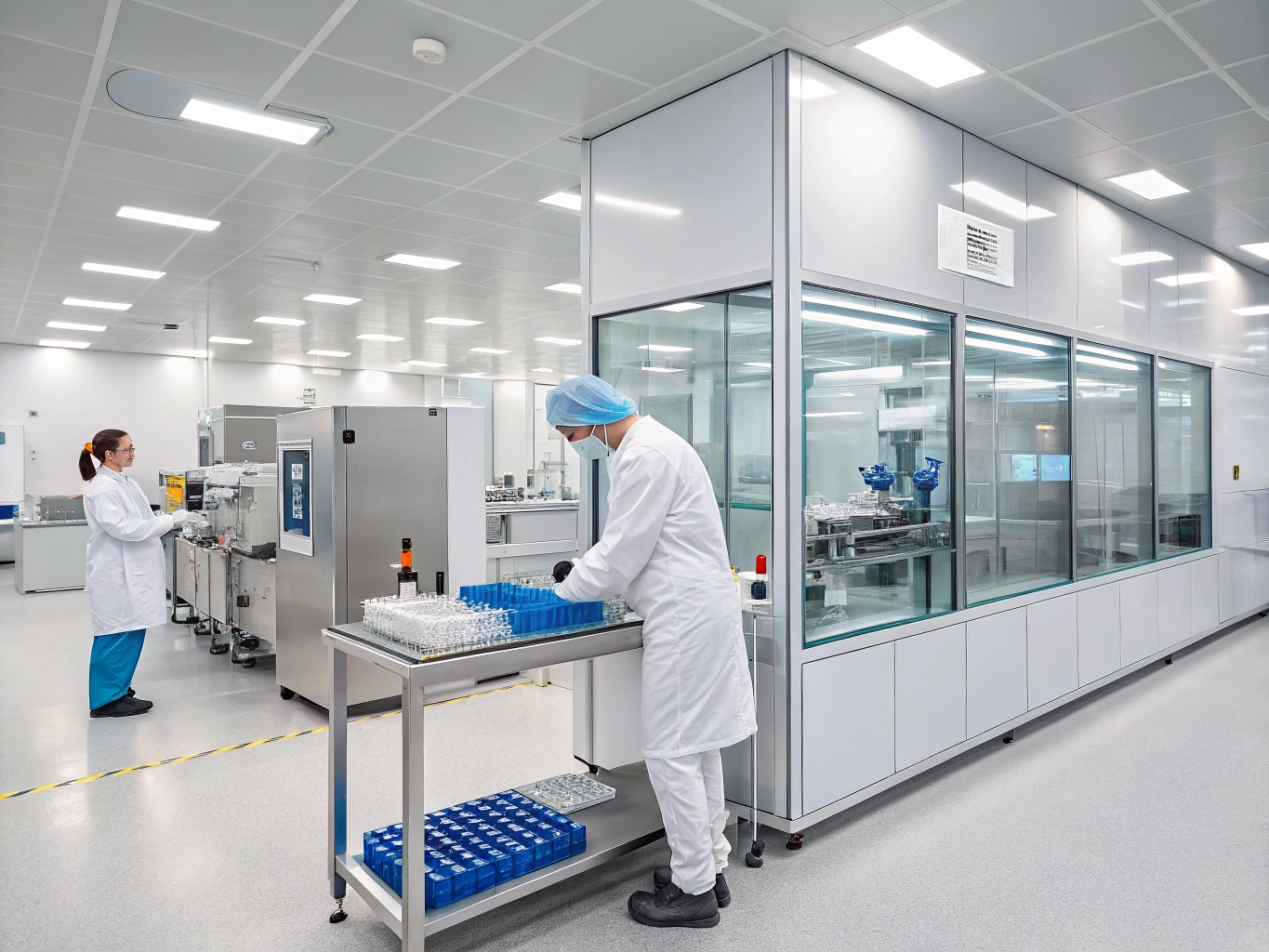
Good Manufacturing Practices (GMP) help ensure medicines are consistently produced according to quality standards.
GMP focuses on:
✅ Clean manufacturing environments
✅ Trained professionals
✅ Equipment maintenance
✅ Quality documentation
✅ Controlled production processes
Pharmaceutical companies following GMP guidelines demonstrate their commitment to product safety and quality.
Role of Technology in Modern Pharmaceutical Manufacturing
Technology has transformed pharmaceutical production through:
- Automated manufacturing systems
- Advanced laboratory equipment
- Digital quality monitoring
- Improved production efficiency
- Better product tracking
Modern technology helps manufacturers improve accuracy, reduce errors, and increase productivity.
Why Choose a Reliable Pharmaceutical Manufacturer?
Selecting the right manufacturing partner is important for healthcare businesses.
A trusted pharmaceutical manufacturer provides:
- High-quality products
- Regulatory compliance
- Consistent supply
- Advanced production facilities
- Professional support
- Competitive solutions
Pharmaceutical Manufacturing at C&C Pharmaceuticals
C&C Pharmaceuticals focuses on delivering high-quality pharmaceutical and nutraceutical products through reliable manufacturing practices.
Our manufacturing approach emphasizes:
- Quality-controlled production
- Advanced processes
- Product safety
- Customer satisfaction
- Consistent supply
We support healthcare businesses with a wide range of pharmaceutical formulations designed to meet market requirements.
Future of Pharmaceutical Manufacturing in India
The future of pharmaceutical manufacturing in India is driven by:
- Advanced technology
- Increased healthcare demand
- Research and innovation
- Global pharmaceutical partnerships
- Growing nutraceutical markets
Indian pharmaceutical manufacturers continue to play an important role in providing affordable healthcare solutions worldwide.
Conclusion
The pharmaceutical manufacturing process involves multiple carefully controlled stages, from raw material selection to final product distribution. Every step plays an important role in ensuring medicines are safe, effective, and reliable.
A professional pharmaceutical manufacturer combines advanced technology, strict quality systems, and skilled expertise to deliver healthcare products that meet industry standards.
C&C Pharmaceuticals continues to focus on quality, innovation, and customer satisfaction by providing dependable pharmaceutical and nutraceutical solutions for healthcare needs.
FAQs
What are the main steps in pharmaceutical manufacturing?
The main steps include raw material testing, formulation, production, quality control, packaging, and distribution.
Why is quality control important in pharmaceutical manufacturing?
Quality control ensures medicines meet safety, purity, strength, and effectiveness standards.
What products are manufactured by pharmaceutical companies?
Pharmaceutical companies manufacture tablets, capsules, syrups, injections, creams, ointments, and nutraceutical products.
What is GMP in pharmaceutical manufacturing?
GMP refers to Good Manufacturing Practices that ensure medicines are produced consistently with high-quality standards.

Leave a Reply