
Syrup Manufacturing Process: Complete Guide to Pharmaceutical Liquid Manufacturing
Introduction
Pharmaceutical syrups are one of the most widely used liquid dosage forms, especially for pediatric and geriatric patients who may have difficulty swallowing tablets or capsules. The syrup manufacturing process requires precise formulation, advanced production techniques, and strict quality control to ensure safety, effectiveness, and stability.
A professional pharmaceutical manufacturer follows Good Manufacturing Practices (GMP) to produce high-quality liquid formulations that meet healthcare standards.
From ingredient selection to final packaging, every step of syrup production plays an important role in maintaining product quality.
What Are Pharmaceutical Syrups?
Pharmaceutical syrups are liquid formulations containing active pharmaceutical ingredients dissolved or suspended in a sweetened aqueous solution.
They may contain:
- Active Pharmaceutical Ingredients (API)
- Purified water
- Sweetening agents
- Flavors
- Preservatives
- Stabilizers
- Coloring agents
Syrups are commonly manufactured for:
- Pediatric medicines
- Cough and cold formulations
- Digestive products
- Vitamins and supplements
- Nutraceutical products
Advantages of Pharmaceutical Syrups
Easy Administration
Syrups are easier to consume, especially for children and elderly patients.
Accurate Dosage
Measured liquid doses help provide controlled medication intake.
Better Taste
Flavors and sweeteners improve patient acceptance.
Faster Absorption
Liquid formulations may provide quicker availability compared to some solid dosage forms.
Suitable for Multiple Age Groups
Syrups can be formulated according to different patient requirements.
Step-by-Step Syrup Manufacturing Process
1. Raw Material Selection and Testing
The first stage involves selecting high-quality ingredients.
Raw materials include:
- Active ingredients
- Sweeteners
- Flavors
- Preservatives
- Stabilizers
- Purified water
Each ingredient undergoes quality testing for:
- Identity
- Purity
- Strength
- Safety
- Microbial quality
Only approved materials are used for production.
2. Preparation of Purified Water
Water is one of the most important components in syrup manufacturing.
Pharmaceutical-grade purified water is prepared through processes such as:
- Filtration
- Purification
- Microbial control
High-quality water helps maintain product safety and stability.
3. Solution Preparation and Mixing
The ingredients are added into manufacturing vessels according to the approved formulation.
The process includes:
- Adding purified water
- Mixing sweeteners
- Adding active ingredients
- Incorporating flavors and preservatives
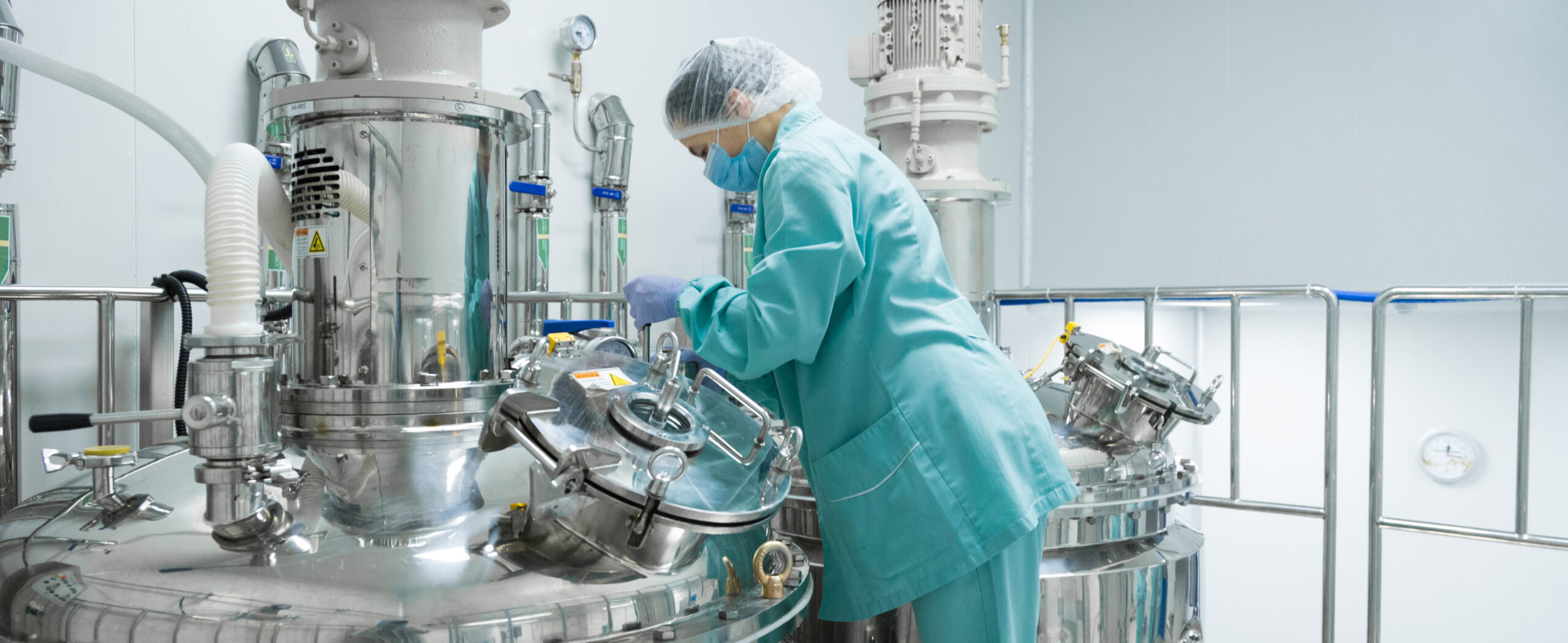
Advanced mixing equipment ensures uniform distribution of ingredients.
4. Dissolution and Homogenization
During this stage, all ingredients are completely dissolved and evenly distributed.
Proper homogenization helps achieve:
- Consistent formulation
- Uniform strength
- Better stability
- Improved appearance
5. Filtration Process
After mixing, the syrup undergoes filtration to remove unwanted particles.
Filtration helps ensure:
- Product clarity
- Clean appearance
- Reduced contamination risk
6. Quality Control Testing
Quality testing is performed before filling and packaging.
Important tests include:
pH Testing
Ensures the formulation maintains the required acidity level.
Viscosity Testing
Measures syrup thickness and consistency.
Assay Testing
Confirms the correct amount of active ingredient.
Microbial Testing
Checks product safety.
Stability Testing
Evaluates shelf life and product performance.
7. Syrup Filling and Packaging
After quality approval, the syrup is transferred for filling.
The filling process includes:
- Bottle cleaning
- Accurate filling
- Cap sealing
- Label application
- Final inspection
Common packaging options include:
- Plastic bottles
- Glass bottles
- Measuring cups
- Cartons
Proper packaging protects the product from contamination and environmental factors.
Importance of GMP in Syrup Manufacturing
Good Manufacturing Practices ensure pharmaceutical syrups are produced under controlled conditions.
GMP focuses on:
✅ Hygienic manufacturing areas
✅ Trained production staff
✅ Validated equipment
✅ Quality documentation
✅ Controlled processes
✅ Regular testing
Following GMP standards helps maintain safe and reliable liquid medicines.
Types of Pharmaceutical Syrups
Cough Syrups
Used for managing cough-related conditions.
Pediatric Syrups
Designed specifically for children with appropriate dosage requirements.
Vitamin Syrups
Contain essential vitamins and nutrients.
Digestive Syrups
Support digestive health.
Herbal Syrups
Contain plant-based ingredients for wellness support.
Challenges in Syrup Manufacturing
Manufacturers must carefully manage:
- Ingredient stability
- Microbial control
- Flavor consistency
- Proper viscosity
- Storage conditions
- Shelf life
Advanced manufacturing systems help overcome these challenges.
Benefits of Choosing a Professional Syrup Manufacturer
Partnering with an experienced pharmaceutical syrup manufacturer provides:
- Quality-controlled production
- Modern manufacturing facilities
- Reliable supply
- Regulatory support
- Customized formulation options
- Consistent product quality
Syrup Manufacturing at C&C Pharmaceuticals
C&C Pharmaceuticals focuses on producing high-quality pharmaceutical and healthcare formulations using controlled manufacturing processes.
Our syrup manufacturing approach includes:
- Quality-tested raw materials
- Advanced production methods
- Strict quality checks
- Safe packaging solutions
- Reliable delivery support
We provide pharmaceutical and nutraceutical solutions designed to support healthcare businesses and their customers.
Future of Pharmaceutical Syrup Manufacturing in India
The demand for pharmaceutical syrups continues to increase due to:
- Growing pediatric healthcare needs
- Rising demand for convenient dosage forms
- Expansion of nutraceutical products
- Increased focus on preventive healthcare
- Growth of pharmaceutical markets
Indian manufacturers continue to improve liquid formulation technology through innovation and quality-focused production.
Conclusion
The syrup manufacturing process involves multiple controlled stages, including ingredient selection, mixing, filtration, quality testing, filling, and packaging. Each stage ensures the final product meets safety, effectiveness, and quality requirements.
A reliable pharmaceutical manufacturer combines advanced technology, skilled professionals, and strict quality systems to produce safe and effective liquid formulations.
C&C Pharmaceuticals remains committed to delivering quality pharmaceutical and nutraceutical products through innovation, reliability, and customer-focused manufacturing practices.
FAQs
What is the syrup manufacturing process?
The syrup manufacturing process includes raw material testing, mixing, filtration, quality testing, filling, and packaging.
Why are pharmaceutical syrups popular?
Syrups are easy to consume, provide accurate dosage, and are suitable for children and elderly patients.
What quality tests are performed on syrups?
Common tests include pH, viscosity, assay, microbial testing, and stability testing.
Are syrups manufactured under GMP standards?
Yes, professional pharmaceutical manufacturers follow GMP practices to ensure product quality and safety.

Leave a Reply